
Navigating the Future of Personal Finance
The landscape of banking and personal finance has undergone a rapid, irreversible transformation over the last decade. It has moved swiftly from reliance on physical, brick-and-mortar branches to relying entirely on the powerful technology in the palm of your hand. This fundamental shift is driven entirely by the exponential rise of Fintech Banks globally. These are technology-driven financial institutions operating entirely online or through sophisticated mobile applications, often without a single physical branch anywhere.
These digital powerhouses are fundamentally reshaping how we save, spend, and actively manage our personal money. By leveraging sophisticated mobile technology and deep data analytics, they offer services that are typically much faster, significantly cheaper, and more intuitive than those provided by traditional legacy banks. The modern consumer now has a powerful, strategic choice to make. They must decide whether to continue with outdated, fee-heavy systems or to embrace a future of highly personalized, immediately accessible, and fully integrated financial tools.
Selecting the right digital wallet or dedicated Fintech bank is not merely about picking a popular new app. It is about choosing a platform that deeply aligns with your specific financial goals and provides the highest, most rigorous levels of security and a superior user experience.
Understanding the Fintech Landscape
The term “Fintech Bank” covers a very broad spectrum of services and specialized institutions. This ranges from full-service neobanks offering full banking capabilities to specialized digital wallets focused only on payments and transfers. Understanding these crucial distinctions is vital before making any long-term financial choice.
These modern financial platforms prioritize an excellent user experience and low overall operational costs. This low cost structure allows them to pass on savings directly to their customers.
A. Neobanks vs. Traditional Digital Wallets
It is critically important to clearly differentiate between a fully functional neobank and a simple digital wallet or payment application. Both are tech-driven and mobile-centric, but their service offerings differ fundamentally in scope.
-
Neobanks: These are mobile-first, technology-driven companies (like Chime or Revolut) that effectively offer nearly all traditional banking services. They provide checking accounts, high-yield savings accounts, debit cards, and sometimes personal lending products, all without the cost of physical branches.
-
Digital Wallets: These are primarily focused on payment facilitation applications (like PayPal or Venmo). Their main function is to facilitate quick money transfers and easy online purchases, often linking back to your primary traditional bank account or credit card.
-
The Choice: If your goal is to completely replace your primary bank and manage all your daily finances, a full-service neobank is the necessary choice. If you only need easy person-to-person payment and transfer services, a simple digital wallet application is sufficient.
B. The Crucial Role of FDIC Insurance
A primary and very valid concern when shifting from a traditional bank to a digital-only platform is the fundamental safety and security of your deposited funds. You must absolutely ensure that your chosen neobank is properly and officially insured by the government.
-
Safety Guarantee: In the United States, funds held at FDIC-insured banks are protected up to a legal limit of $250,000 per depositor. This government guarantee is vital for stability and peace of mind, especially in times of financial uncertainty.
-
Partnership Model: Many top neobanks do not hold a direct FDIC charter themselves. Instead, they strategically partner with a traditional, charter-holding bank to legally hold and fully insure your deposits on their behalf.
-
Check the Fine Print: Always verify the insurance status directly and clearly on the Fintech provider’s public website. If they do not explicitly and clearly state their FDIC partner, it is strongly advisable to avoid them entirely.
C. Fee Structures and Transparency
One of the biggest and most attractive advantages of Fintech banks is their significantly lower and simpler fee structure compared to traditional legacy institutions. They often eliminate frustrating monthly maintenance fees and common overdraft charges entirely for all users.
-
Zero Monthly Fees: Most successful, competitive neobanks advertise zero monthly service fees or minimum balance requirements for checking accounts. This crucial benefit saves the average consumer a significant amount of money over the course of a single year.
-
ATM Network: Carefully check the size, convenience, and reach of their fee-free ATM network across the country. The best Fintechs offer access to tens of thousands of ATMs nationwide without you incurring any withdrawal charges.
-
Hidden Foreign Fees: Be highly wary of any potential hidden fees, especially those related to international transactions or specific cash withdrawal limits. Transparency in the fee schedule is a critical, necessary indicator of a trustworthy and ethical financial platform.
Essential Features and Functionality
A great Fintech bank does much more than just securely hold your money. It actively helps you manage, accurately track, and consistently save it through integrated, fully automated tools built right into the app. The overall utility of the bank depends heavily on the quality of these core, integrated features.
Prioritize platforms that offer robust, automated budgeting and effortless saving mechanisms right out of the box.
A. Automated Budgeting and Spending Analytics
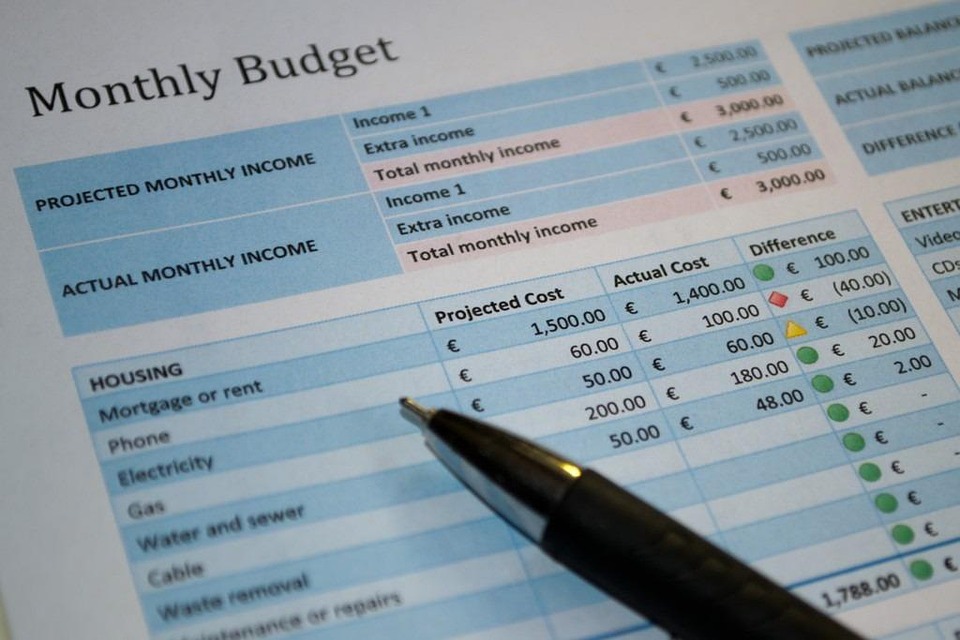
One of the most powerful core features offered by modern digital banks is their ability to provide instant, clear, and actionable insights into your daily spending habits. This eliminates the common need for external, third-party budgeting software.
-
Instant Categorization: Transactions are automatically and intelligently sorted into clear categories like Groceries, Transportation, and Entertainment. This gives you a clear, immediate picture of precisely where your money is actually going.
-
Budget Alerts: The best platforms allow you to set strict, hard spending limits for specific expense categories. They will immediately send you real-time notifications when you approach or potentially exceed those defined limits.
-
Data-Driven Decisions: Use the historical data and visual graphs provided by the app to easily identify specific areas where spending can be intentionally cut back. This leads to much smarter and more sustainable financial decisions.
B. Integrated Savings and “Round-Up” Features
Fintech banks often excel at automating the entire process of saving money. They make it feel painless, effortless, and almost invisible to the everyday user. This helps customers quickly build healthy, consistent saving habits.
-
Round-Up Functionality: This popular feature automatically rounds up every debit card purchase you make to the nearest dollar amount. It then instantly transfers the difference into a dedicated savings or investment pot, effortlessly building your savings balance.
-
Specific Savings Goals: Look for banks that allow you to create multiple, distinct savings pots or vaults for different financial goals (e.g., “New Car Fund,” “Vacation Fund,” “Emergency Fund”). This provides necessary focus and strong motivation.
-
High-Yield Accounts: Many competitive neobanks offer genuinely competitive interest rates on their savings accounts, known as High-Yield Savings Accounts (HYSAs). Ensure their current rate is competitive with the broader financial market.
C. Seamless Mobile Experience and Interface
Since the mobile app is essentially your primary bank branch and interface, the quality of the user interface (UI) and user experience (UX) is absolutely paramount. The application must be intuitive, fast, and highly reliable across different devices.
-
Ease of Use: The app should make complex tasks like paying bills or sending money to contacts extremely simple, taking only a few quick taps. A confusing or sluggish app will actively discourage consistent, active financial management.
-
Notifications: Look for robust, highly customizable notifications for every major account activity. This includes successful deposits, large withdrawals, or potential signs of fraudulent activity.
-
Customization: The ability to quickly categorize transactions, freeze or unfreeze your debit card with a single tap, and personally customize your dashboard are all definitive marks of a superior user experience.
Security and Customer Support

Cutting-edge technology and attractive features mean little if your money is not 100% secure. Similarly, the platform fails if you cannot easily reach a competent human being when a serious or complex problem arises. Security and customer support must be non-negotiable considerations when choosing a bank.
Prioritize banks with advanced, multi-layered security protocols and multiple effective channels for immediate support.
A. Advanced Security Measures
Digital banking inherently requires advanced technological defenses to protect users from increasingly sophisticated cyber threats and fraud attempts. The chosen platform must demonstrate that it prioritizes the user’s digital safety above all else.
-
Multi-Factor Authentication (MFA): The bank must strictly require MFA for all sensitive actions, such as logging in from a new device or initiating a large transfer of funds. This process uses a second verification factor (like a code sent to your phone or email).
-
Biometric Login: Look for seamless login options using modern fingerprint or facial recognition technology. This is demonstrably far more secure than relying solely on a simple, easily guessable four-digit Personal Identification Number (PIN).
-
Virtual Cards: Some advanced Fintechs offer disposable or temporary virtual debit card numbers for use in online purchases. This protects your primary, permanent card number from being compromised during an external data breach.
B. Reliability of Customer Service
The distinct lack of physical bank branches means that the reliability and responsiveness of customer service is magnified tenfold in the digital space. When you have a financial emergency, the bank must be reachable immediately through multiple, effective channels.
-
24/7 Availability: Since banking issues and emergencies can occur at any time of day or night, prioritize banks that reliably offer 24/7 live chat or phone support with human agents. Automated bots should only be a preliminary filtering mechanism, not the final line of support.
-
Diverse Channels: Look for a variety of convenient support options, including dedicated phone lines, email addresses, in-app chat features, and even an active social media presence for quick, public-facing queries.
-
Response Time: Research and check objective user reviews to gauge the bank’s average response time for complex, urgent issues. Slow resolution of critical problems is a very common complaint against many otherwise promising digital banks.
C. Data Privacy and Selling Practices
Digital banks inherently collect and analyze vast amounts of data regarding your private financial life and spending habits. You need to be fully aware of exactly how they use, securely store, and potentially share that private, sensitive information.
-
Read the Policy: Carefully review the bank’s privacy policy regarding all data collection and usage practices. Understand if the bank is selling anonymized or aggregated spending data to third parties for its own profit.
-
Opt-Out Options: Look for clear, easy-to-use options that allow you to explicitly opt-out of specific data-sharing practices. This is crucial if you are uncomfortable with the bank potentially monetizing your financial habits.
-
Data Storage: Ensure the bank uses advanced, modern encryption technologies and follows strict global industry standards for storing and protecting all personally identifiable financial information from external threats.
The Ecosystem and Future Growth
The very best Fintech banks are constantly evolving their features, strategically integrating new services, and expanding their product offerings well beyond basic checking and savings. Choosing a bank with a strong, growing ecosystem prepares you well for your future financial needs.
A forward-looking, innovative platform will seamlessly integrate crucial investment, lending, and sophisticated international services into the core app experience.
A. Integrated Investment and Trading
Many neobanks are rapidly and strategically expanding into the investment space directly within the app. They are allowing users to manage their daily banking and their long-term investments from a single, unified mobile application interface.
-
Fractional Shares: Look for features allowing you to buy fractional shares of expensive stocks or ETFs (buying a portion of a single share). This makes long-term investing accessible even with very small amounts of capital.
-
Cryptocurrency Integration: Some forward-thinking platforms allow you to directly buy, sell, and securely hold cryptocurrencies right within your banking app. This provides easy, secure access to the growing digital asset market.
-
Robo-Advisors: Integrated robo-advisors can seamlessly manage automated investment portfolios for you. These are based on your stated risk tolerance and your specific financial goals, requiring minimal hands-on management.
B. International and Travel Features
For frequent international travelers or those who conduct regular business across different borders, the global capabilities of a top Fintech bank can save substantial amounts of money. This provides a huge advantage compared to using traditional, fee-heavy banks.
-
No Foreign Transaction Fees: Most traditional banks typically charge a punitive 1% to 3% fee on purchases made outside of the domestic currency. The top Fintechs often eliminate these fees entirely as a competitive feature.
-
Interbank Exchange Rates: Some digital banks offer currency exchange at the interbank wholesale rate. This is the very best, cheapest wholesale rate used between major banks, which is significantly better than the marked-up retail rates offered by standard banks.
-
Multi-Currency Accounts: Features that allow you to hold balances in multiple foreign currencies simultaneously are extremely valuable. These are ideal for international users, digital nomads, and frequent travelers.
C. Lending and Credit Building Products
While initially focused solely on deposits, many established Fintechs are now strategically adding essential lending products to their offerings. These include personal loans, flexible lines of credit, and specialized tools designed specifically to help customers improve their credit scores.
-
Credit Builder Loans: These small, specialized loans are primarily designed for individuals with poor or no established credit history at all. The borrower pays the loan off before receiving the funds, successfully building a positive payment history and credit line.
-
Personalized Loans: Look for banks that utilize internal data (how you manage your checking account and direct deposit) to offer personalized loan rates. These rates may be significantly better than those found through traditional, rigid credit score checks alone.
-
Secured Credit Cards: Offering secured credit cards is another essential and responsible feature for helping customers quickly and responsibly rebuild their damaged credit profile from the ground up.
Making the Final Decision
Choosing your primary digital bank is a deeply personal decision that requires you to precisely match the platform’s core strengths to your unique financial profile and specific habits. The right choice should actively simplify your entire financial life, not complicate it further with unnecessary complexity.
The final selection should feel like a genuine, strategic, long-term partnership for your financial future.
A. Aligning Features with Your Lifestyle
Your primary spending and saving habits should be the main factors that dictate the specific features you prioritize in a new digital bank. Different banks and platforms strategically specialize in different specific areas of financial management.
-
The Saver: If your main, long-term goal is passive saving, prioritize the platform that offers the highest-yield savings account and the best, most reliable automated savings tools like round-ups.
-
The Traveler: If you travel frequently internationally, prioritize the bank with zero foreign transaction fees, multi-currency accounts, and free global ATM withdrawals to save money while abroad.
-
The Budgeter: If you specifically need help controlling and tracking your daily spending, prioritize the bank with the most robust, real-time budgeting tools and automated, categorized spending alerts.
B. The Transition Strategy (Pilot Testing)
Never immediately switch your entire financial life—including all direct deposits and automatic bill pays—to a new digital bank instantly. A smart, safe transition involves a deliberate, phased approach to minimize potential disruption and financial risk.
-
Start Small: Open the new account and fund it with a small amount of “test money” or “fun money.” Use the new debit card for minor, daily purchases for a dedicated 30-60 day period. This is the essential pilot testing phase for the platform.
-
Monitor Reliability: Use the test period to closely monitor the app’s overall reliability, the speed of external transfers, and the efficiency and effectiveness of the customer service response time for small issues.
-
Full Migration: Only after successfully completing the pilot test and gaining complete confidence should you finally move your main direct deposit, set up crucial bill pay services, and eventually close your old, traditional bank account.
C. Watching the Regulatory Environment
The Fintech industry is still rapidly evolving and innovating, and the regulatory environment worldwide is constantly catching up to the technology being deployed. Stay informed about major regulatory changes that could significantly affect your chosen provider’s stability.
-
Evolving Rules: New rules around consumer data protection, payment processing standards, and bank charters can impact the stability and overall offerings of a digital bank platform.
-
Bank Charter Status: Pay close attention if your chosen neobank decides to formally apply for its own direct, federal bank charter. This significant shift usually signals increased long-term stability and direct regulatory oversight for the institution.
-
Future-Proofing: Choose a platform that demonstrates a clear, continuous commitment to regulatory compliance and strong, formal partnerships with established banks. This ensures its long-term viability and security in a regulated financial world.
Conclusion

The selection of a Fintech bank is a crucial decision that determines the efficiency and security of your future financial management. The first step involves clearly differentiating between a full-service Neobank and a specialized Digital Wallet, ensuring that your deposits are protected by the crucial FDIC Insurance. A superior digital platform offers essential functional tools, including Automated Budgeting and Spending Analytics alongside seamless Integrated Savings and “Round-Up” Features.
Non-negotiable priorities include robust Advanced Security Measures like Multi-Factor Authentication and guaranteed Reliability of Customer Service through multiple channels. The best choices are forward-looking, featuring an Integrated Ecosystem that includes investment, credit building products, and superior International and Travel Features. The final selection requires Aligning Features with Your Lifestyle to ensure maximum utility and should always be preceded by a cautious Transition Strategy (Pilot Testing) to verify reliability.