
Securing a Lasting Family Legacy
The concept of generational wealth transcends simply accumulating a large personal fortune during one’s lifetime. It involves establishing a robust financial foundation and a durable system of assets that can be reliably transferred, grown, and sustained across multiple generations of a family. This enduring legacy ensures that future relatives benefit from a substantial financial head start, avoiding common economic struggles and gaining access to enhanced opportunities in education, entrepreneurship, and investment.
Creating this multi-generational security requires a disciplined, long-term perspective that goes far beyond immediate needs and short-term gains. It necessitates strategic planning in investing, debt management, and, crucially, the formal education of heirs to prevent common pitfalls that often lead to the dissipation of inherited fortunes. When executed correctly, building generational wealth fundamentally shifts a family’s trajectory from mere survival to consistent prosperity and influence, ultimately breaking destructive financial cycles for good and establishing a culture of economic foresight.
The Foundation of Financial Discipline
Before any serious wealth building can commence, the current generation must first master the fundamentals of personal finance. This foundation ensures that capital is not wasted and that the core structure is resilient against financial shocks.
Without a disciplined base, any accumulated wealth is highly vulnerable to erosion and mismanagement.
A. Eliminating High-Cost Debt
The single biggest enemy of wealth accumulation and transfer is toxic, high-interest consumer debt. This debt acts as a continuous, massive siphon, draining resources away from productive assets.
-
Stop the Leak: Aggressively pay off all revolving credit card debt, high-interest personal loans, and any debt with an Annual Percentage Rate (APR) over 10%. This must be the absolute first priority.
-
Free Up Cash Flow: Once high-cost debt is neutralized, the money previously spent on interest payments becomes permanently freed up. This cash can immediately be redirected toward investment and asset acquisition.
-
Debt-Free Culture: Establish a family norm where consumer debt is shunned and avoided by all members. This reinforces the discipline needed to maintain the wealth over time.
B. Building a Robust Emergency Fund
A lack of liquid emergency savings is the primary reason families are forced to liquidate investments or take on high-interest debt when crises occur. A substantial fund is the essential financial shock absorber.
-
Minimum Safety Net: Secure at least 6 to 12 months of essential living expenses in a high-yield savings account (HYSA). This provides immediate liquidity and security.
-
Protecting Assets: This fund ensures that unexpected events like job loss or major medical bills do not force the family to sell long-term assets at an inopportune time.
-
Fund as Insurance: Treat the fund as an insurance policy. It protects the family’s investment portfolio from premature, emotionally driven withdrawals.
C. Mastering the Cash Flow Statement
Understanding exactly where money comes from and, more importantly, where it goes is critical for optimizing the savings rate. Wealth creation is highly dependent on managing the gap between income and expenditure.
-
Track Income and Expenses: Meticulously track all sources of income and every category of expense for at least 90 days. Use software or spreadsheets to gain full visibility.
-
Identify Inefficiencies: Identify the areas where discretionary spending can be reduced without significantly lowering the quality of life. Redirect these savings immediately to the investment side.
-
Increase the Gap: The core goal is to consistently maximize the gap between income and expenditure. The larger this gap, the faster wealth can be accumulated and transferred.
Strategic Asset Allocation
Building generational wealth requires shifting from simple savings to strategic investing. The assets chosen must have a high probability of growing faster than inflation over multi-decade time horizons.
The focus must be on diversified ownership of appreciating, durable assets.
A. Harnessing the Power of Compounding
Compounding interest is the most powerful tool for multi-generational wealth creation. It is the concept of earning returns not just on the initial capital, but on the accumulated returns as well.
-
Time is the Accelerator: The earlier the first generation starts investing, the longer compounding has to work its exponential magic. Every year delayed costs the family significantly in future wealth.
-
Reinvest All Earnings: During the initial growth phase, automatically reinvest all dividends, interest, and capital gains back into the portfolio. This maximizes the compounding effect.
-
The Final Years: The last 10-15 years of compounding often contribute more to the portfolio’s size than the first 20, emphasizing the need for uninterrupted longevity.
B. Diversifying Across Non-Correlated Assets
Concentrating wealth in a single asset or industry is risky and vulnerable to catastrophic failure. True generational wealth is built on a diverse portfolio that can withstand localized economic shocks.
-
-
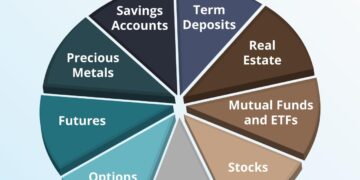
Equity Investments (Stocks): Maintain a core holding in low-cost, diversified index funds (ETFs) that track broad market indexes like the S&P 500. Stocks offer the best long-term inflation-beating returns.
-
Real Estate (Appreciation/Income): Strategically acquire income-producing real estate (rentals) or high-quality, appreciating property. Real estate provides income, potential appreciation, and tax advantages.
-
Fixed Income (Bonds): Maintain a protective allocation to high-quality bonds or fixed-income ETFs. They stabilize the portfolio during equity market downturns, preserving capital for the next generation.
-
C. Leveraging Tax-Advantaged Accounts
Wealth must be accumulated as efficiently as possible, meaning minimizing taxes paid throughout the growth phase. Strategic use of retirement and investment vehicles is key to this efficiency.
-
Maximize 401(k) and IRA: Max out contributions to all tax-advantaged retirement accounts available, such as 401(k)s, Roth IRAs, and SEP IRAs for business owners. Growth within these is shielded from annual taxes.
-
529 Education Plans: Use tax-advantaged 529 College Savings Plans to save for the education of current and future generations. The money grows tax-free and withdrawals for qualified expenses are tax-free.
-
Trusts and Foundations: For larger estates, utilize specialized irrevocable trusts and family foundations. These structures protect assets from creditors and minimize estate and generation-skipping transfer taxes.
Education and Intergenerational Transfer
The biggest threat to generational wealth is often not the market, but the lack of preparation and financial literacy among the heirs. A structured plan for transfer and education is non-negotiable.
Wealth transfer should be viewed as a phased educational process, not a sudden, lump-sum distribution.
A. Implementing a Formal Financial Curriculum
Heirs must be systematically taught how to manage, protect, and grow the inherited assets. Simply receiving money without knowledge often leads to the dissipation of the wealth within one generation.
-
Start Early: Financial education should begin in childhood, teaching basic concepts like budgeting, saving, and the power of compounding. Use allowances and simple bank accounts as teaching tools.
-
Advanced Topics: As heirs reach adulthood, teach advanced concepts such as asset allocation, tax planning, risk management, and the purpose of the family’s specific investment vehicles.
-
Involve Them in Decisions: Allow adult children to participate in meetings with financial advisors or accountants. This provides practical experience in decision-making and stewardship of the assets.
B. The Strategic Use of Trusts and Wills
Legal structures are the necessary armor for generational wealth, ensuring that the founder’s intentions are carried out and that assets are protected from various risks (creditors, divorce, poor spending habits).
-
The Living Trust: Establish a Revocable Living Trust to hold major assets. This simplifies the transfer process (avoids probate) and provides clarity on distribution rules upon the founder’s passing.
-
Spendthrift Provisions: Incorporate spendthrift clauses within the trust to protect beneficiaries who may lack financial maturity. This can distribute funds over time or only for specific purposes (education, healthcare).
-
Regular Review: Review and update all wills, trusts, and beneficiary designations regularly, especially after major life events such as births, marriages, or the acquisition of new, substantial assets.
C. Creating a Family Operating Document
A formal document outlining the family’s financial philosophy, values, and rules for accessing the collective wealth provides a vital framework for cohesion and decision-making for generations to come.
-
Statement of Values: Clearly articulate the family’s core values regarding money, philanthropy, and work ethic. This sets the moral and ethical tone for the wealth’s use.
-
Rules for Access: Define clear, impartial rules regarding when and how younger generations can access principal funds (e.g., funding a first home, starting a business, paying for advanced education).
-
Stewardship Duty: Establish the expectation that each generation is a steward of the wealth, responsible for preserving and growing it for the benefit of the next, rather than simply consuming it.
Advanced Wealth Preservation Techniques
Once the foundation is built and the educational plan is in place, the focus shifts to preserving the capital and minimizing the heavy impact of government estate and transfer taxes on the legacy.
These techniques are typically employed when the net worth exceeds standard federal and local estate tax exemption limits.
A. Utilizing Gifting and Annual Exclusions
One of the simplest ways to transfer wealth tax-free is by systematically utilizing the annual gift tax exclusion established by tax authorities. This allows for tax-free transfers without using up the lifetime exemption amount.
-
Annual Gifting: Each individual can gift a certain amount (this figure changes annually) to any other person each year without incurring gift taxes or reporting requirements. This is a powerful, systematic way to transfer small amounts of wealth.
-
Gifts to 529 Plans: Contributions to 529 education savings plans are often counted against the annual exclusion limit, effectively funding future education tax-free and removing assets from the giver’s estate.
-
Spousal Gifting: Gifts between spouses are generally unlimited and tax-free. This allows families to strategically rebalance asset ownership to maximize tax planning opportunities upon death.
B. Irrevocable Life Insurance Trusts (ILITs)
Life insurance is a highly efficient tool for creating immediate, liquid wealth upon death, which is critical for paying estate taxes or providing cash to non-liquid heirs. An ILIT is the optimal structure for holding this insurance.
-
Tax-Free Proceeds: Life insurance proceeds are typically income tax-free to the beneficiaries. By holding the policy in an ILIT, the proceeds are also shielded from being counted in the deceased’s taxable estate.
-
Liquidity for Taxes: The ILIT provides cash that can be used immediately to pay estate taxes, allowing non-liquid assets (like a family business or real estate) to be transferred intact to the heirs.
-
Gift Funding: The annual premiums paid into the ILIT must utilize the annual gift exclusion, requiring careful tracking and coordination with all other annual gifts.
C. Generation-Skipping Transfer Tax (GSTT)
The GSTT is a specific federal tax designed to prevent families from avoiding estate tax by transferring assets directly to grandchildren or younger generations, skipping the intermediate generation. Strategic planning can utilize the available exemption.
-
Exemption Utilization: Every individual has a lifetime exemption amount for the GSTT. Wealthy founders can intentionally allocate this exemption to trusts designed to benefit grandchildren and great-grandchildren.
-
Dynasty Trusts: This type of trust is designed to hold assets for multiple future generations, sometimes centuries, protecting them from estate taxes at each generational level. They are the ultimate tool for perpetual wealth transfer.
-
Complex Planning: GSTT and Dynasty Trust planning is highly complex and requires the expertise of specialized estate planning attorneys and tax professionals. It should not be attempted without professional guidance.
The Role of Entrepreneurship and Philanthropy
Generational wealth is not sustained solely through investment returns; it is often preserved and expanded through new business creation and cemented by a family’s reputation and philanthropic endeavors.
These factors provide both economic vitality and crucial cultural cohesion for the long-term success of the legacy.
A. Fostering Entrepreneurial Spirit
Encouraging the creation of new businesses within the family ensures the continued generation of capital and provides vocational purpose for the heirs. It shifts the family focus from consumption to creation.
-
Venture Capital: The family can create its own small, internal venture fund. This fund provides seed capital to younger, adult family members who have viable business plans, utilizing the family’s wealth constructively.
-
Mentorship Network: The older generation provides critical mentorship, experience, and access to networks for the entrepreneurial heirs. This dramatically increases the new venture’s chance of success.
-
Strict Business Rules: Funding must be treated as a formal business investment with clear repayment expectations and governance rules. This prevents the family business from becoming a charity fund.
B. Integrating Philanthropy and Values
Philanthropy involves more than just writing checks; it instills shared values, provides purpose for the wealth, and builds a positive public reputation for the family brand.
-
Donor-Advised Funds (DAF): Utilize DAFs to centralize giving, receive immediate tax deductions, and involve younger generations in selecting causes. This teaches stewardship and social responsibility.
-
Shared Purpose: Philanthropic efforts provide a shared, noble project that unites various branches of the family, giving the wealth a meaning beyond simple accumulation.
-
Community Impact: A positive community legacy protects the family’s assets and reputation. It ensures the wealth is viewed as a community resource, not just a private indulgence.
C. Succession Planning for Family Assets
For families who own a primary operating business or large tracts of real estate, having a formal, written succession plan is the only way to ensure the asset survives the transition between generations.
-
Identify Successors: Clearly identify and train the family members or external managers who will take over the asset’s operational control years in advance.
-
Fairness vs. Equality: Understand the difference between treating all children equally (giving everyone the same dollar amount) and treating them fairly (giving control to the most competent heir, compensating others with non-business assets).
-
Valuation and Buyouts: Use independent third-party valuations to establish fair prices and structure buy-sell agreements. This prevents internal disputes from destroying the business asset upon transfer.
Conclusion

Building generational wealth begins not with investing but with establishing Financial Discipline by aggressively eliminating high-cost debt and creating a substantial emergency fund. This foundation is followed by Strategic Asset Allocation focused on diversified, long-term growth through equities, real estate, and fixed income. The power of Compounding is the chief engine of growth, making early, tax-advantaged investing paramount.
The most critical component is Intergenerational Education, ensuring heirs are prepared to steward the assets through formal curriculum and guided decision-making. Legal protection is provided by Trusts and Wills utilizing strategic clauses to prevent dissipation and misuse. Advanced Wealth Preservation techniques, such as ILITs and GSTT planning, minimize tax leakage for large estates. Finally, integrating Entrepreneurship and Philanthropy ensures the wealth has both economic vitality and a cohesive shared purpose for the family’s lasting legacy.